



Collect and Display Reviews Effectively to Sell More
Learn best practices for collecting and displaying customer reviews to enhance your shop's visibility, boost conversions, and build trust with shoppers.
Customer reviews are an integral part of any marketing plan. They can improve the visibility of your online shop on Google and in AI, increase qualified traffic and conversions, reduce returns, and optimise your service and product range. However, collecting reviews is useless if you don't use them effectively.
In this article, we'll share a series of best practices for collecting and displaying your customer reviews efficiently. We'll also give you some tips on selecting the right review provider, a key aspect that will allow you to achieve your goal: generating a steady stream of reviews and ensuring they're well-presented to increase conversions.
Table of contents:
If you'd like to learn more about this topic, download the following guide, where we cover these and other relevant sections in more detail. Turn every opinion into a new sales opportunity! The download is free. 👇

Here are a few things to keep in mind when selecting your review provider:
Since customer reviews have a huge impact on your SEO and SEA, it's essential to have a review system provider that's a Google partner and lets you display those eye-catching star ratings in your Google Ads and Google Shopping listings.
Recommended reading:
5 Tips for Google Shopping Free Listings
Artificial intelligence recommends online stores that demonstrate their reliability, provide well-structured information, and have sufficient positive user experiences.
How has the new review provider prepared to ensure your store's visibility on ChatGPT and other AI agents? Does it offer an AI-powered solution?
Do you already have a large number of reviews and want to export them to a new platform? Be sure to familiarise yourself with the new provider's review import process, as well as the export process.
Most customers don't leave reviews on their own, so your review provider needs a simple and efficient process for sending review requests and reminders to ensure a steady stream of new reviews.
Recommended reading:
How to Collect More Online Customer Reviews
Once the Omnibus Directive came into effect on May 28, 2022, all stores are now required to provide information on the authenticity of the reviews they collect, as well as indicate the measures taken to verify them. How has your potential new provider prepared itself in this regard?
Besides customer reviews, other valuable tools help increase trust and conversion rates. What kind of complementary tools does your review provider offer that can help you scale your business? Are they powered by artificial intelligence?
 Trusted Shops, for example, is not only a review system provider but also certifies and awards the Trustmark to shops, which can then offer a Buyer Protection to their customers. Along with a wide range of complementary AI-powered tools, customised features, and marketing materials, Trusted Shops member shops can:
In the new era of AI, where online shopping habits are changing, trust is more important than ever, and Trusted Shops is responding with unique solutions that benefit both shoppers and businesses. Today, Trusted Shops connects more than 25,000 real stores with over 45 million consumer memberships in the growing Community of Trust.

Easy integration and a team of professionals who listen and guide you to meet your needs are key to ensuring the sustainable growth of your business. Does the new review system integrate easily with your e-commerce platform? Do you have a dedicated consultant?
Besides having a system that automatically sends review requests after placing an order, it is important to consider the following aspects to ensure a constant flow of new reviews.
Make the process of writing and publishing a review quick and easy. Provide the necessary links, and if specific instructions are needed, ensure they are clear and concise.
Make sure you send your feedback request emails once the customer has tried the product (and hasn't returned it!). However, the timing also depends on your target audience and on the products you offer. For example, a customer might need more time to test out a lawnmower than to try on a t-shirt.
Testing different dates and times helps you pinpoint the best time to send the request to maximise the number of reviews you receive.
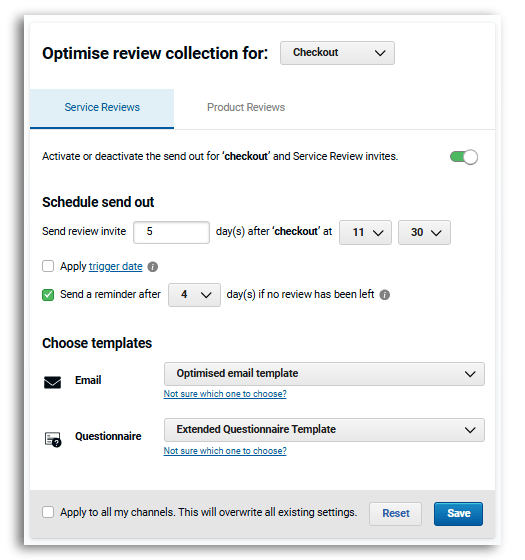
Finally, send review request reminders to customers who haven't yet rated you. Asking them a second time to rate you can increase the total number of reviews you collect.
Personalising the content of your review request emails (subject, sender, email address, recipient, design elements, greeting, and other text) helps you communicate more personally with your customers. This will encourage them to leave a review in case they forgot or didn’t have time.
A review is compelling, but a review accompanied by a photo of the product posted by the customer is even more so. Therefore, offer the option to attach photos or even videos to your review request emails. This ensures a complete and seamless review submission experience.
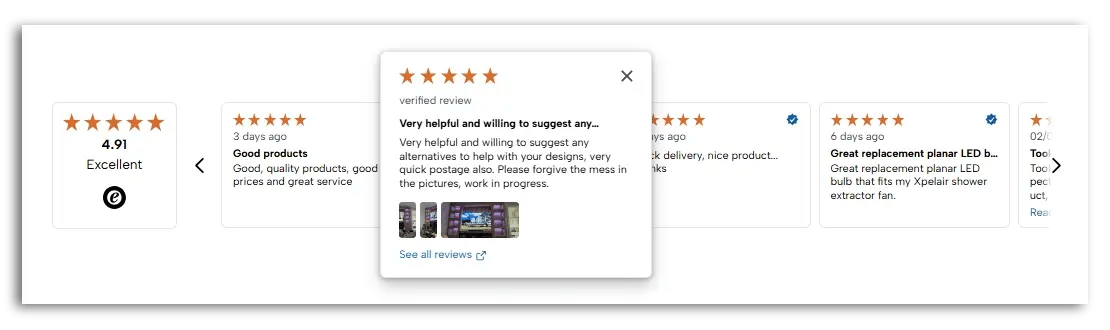
Source: Aten Lighting
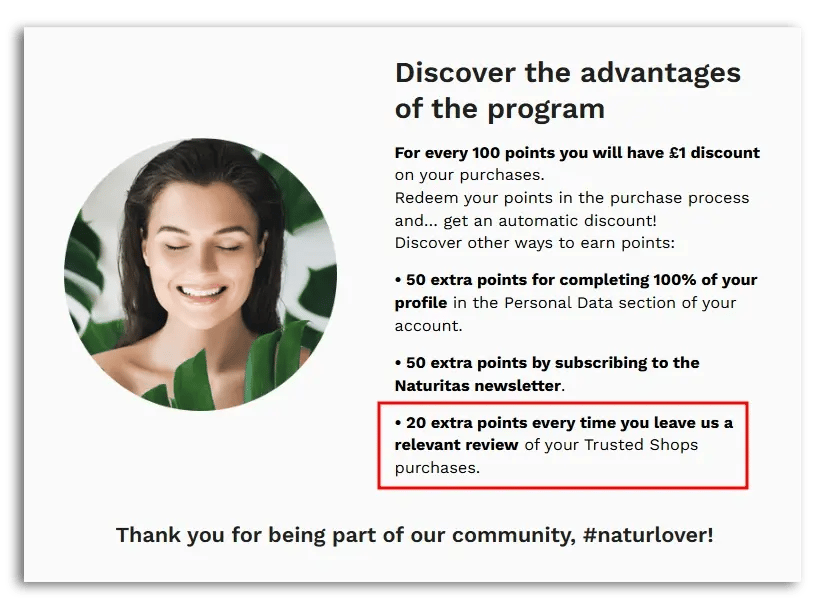
There are several ways to do this, but it's important to act legally. In Europe, for example, you can't offer an incentive to your customers to leave positive reviews. However, you can incentivise them to leave honest feedback.
If you have a loyalty program, you could, for example, reward your customers with extra points each time they leave a review, just like the e-commerce site Naturitas does:
Besides the reviews that should appear on your product pages and serve to demonstrate their reliability and quality, there are other places where you should display your reviews to increase trust in your store and conversion rates.

Shutterstock/Vector Stock Pro
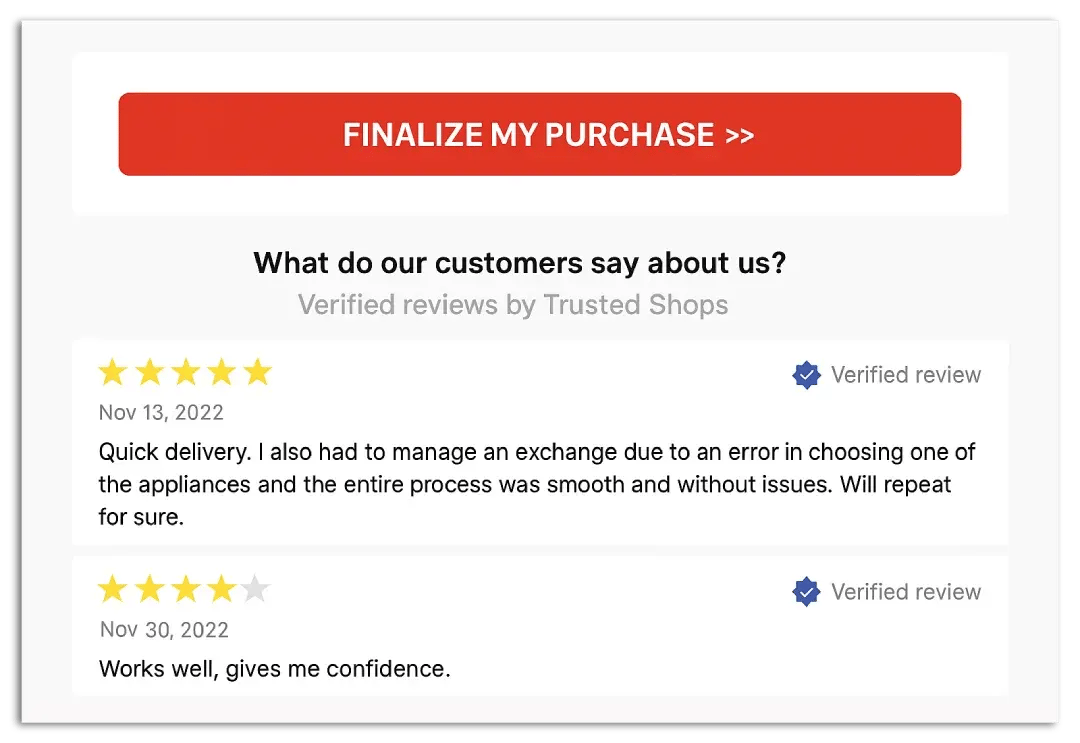
Integrate a review carousel into your homepage. When doing so, include the date the reviews were published. This way, your customers will know that the reviews are up-to-date and that the store consistently receives new ones.
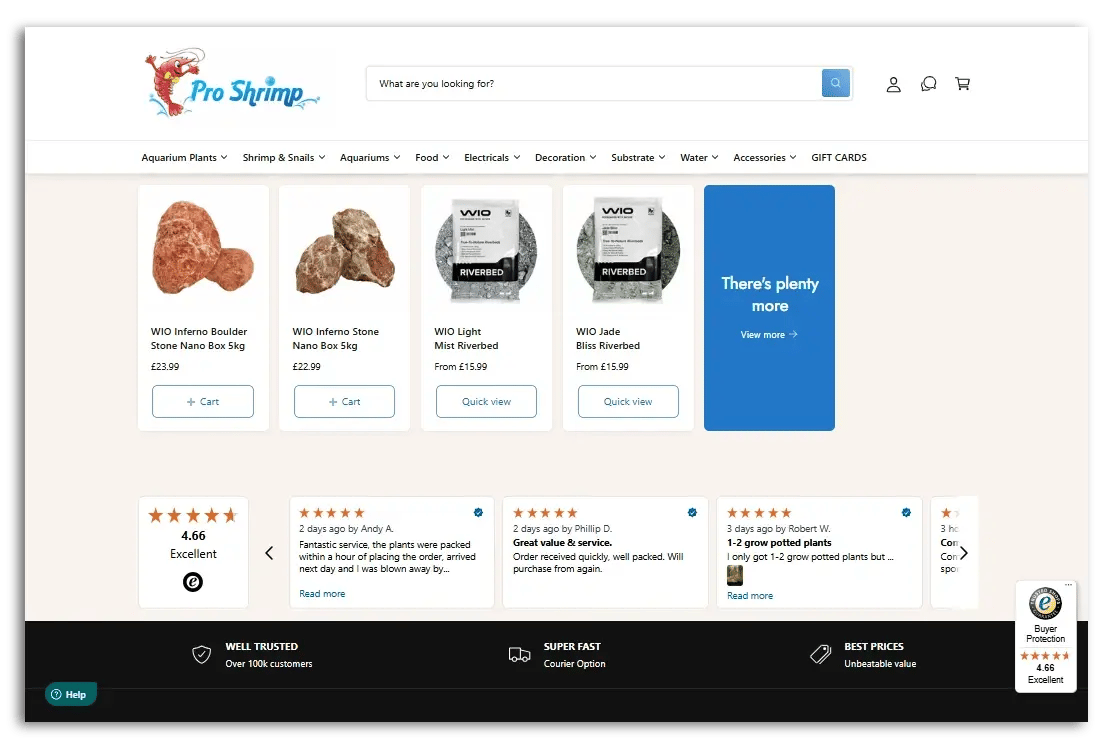
Source: Pro Shrimp
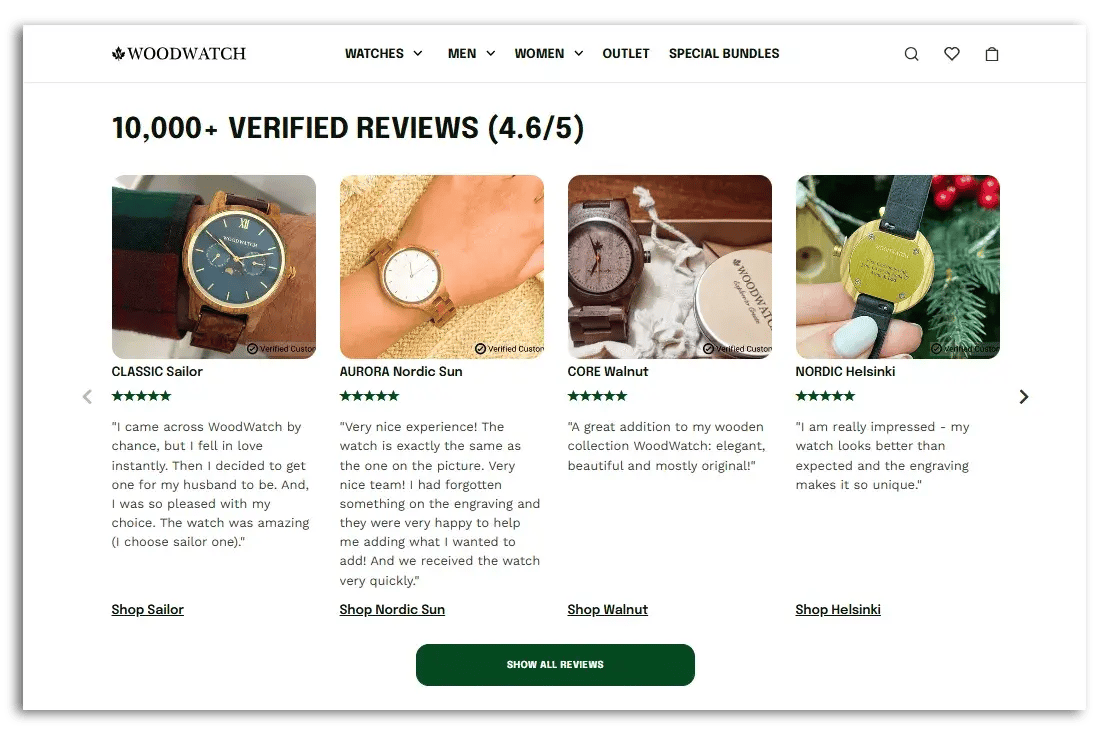
Tip: If you have a few superb reviews that you want to highlight, you can create a dedicated section, much like WoodWatch has done in the example below:
Incorporating customer reviews into your email marketing strategy increases sales and conversion rates. When customers see feedback from previous customers in the email directly, you can increase the odds of getting that click back to your website.
A good product photo in your social media posts catches users' attention, but a product photo accompanied by the right reviews has greater persuasive power.
Highlight the most positive customer reviews, both for your service and products, in your social media posts. Select those that truly offer added value to the user.
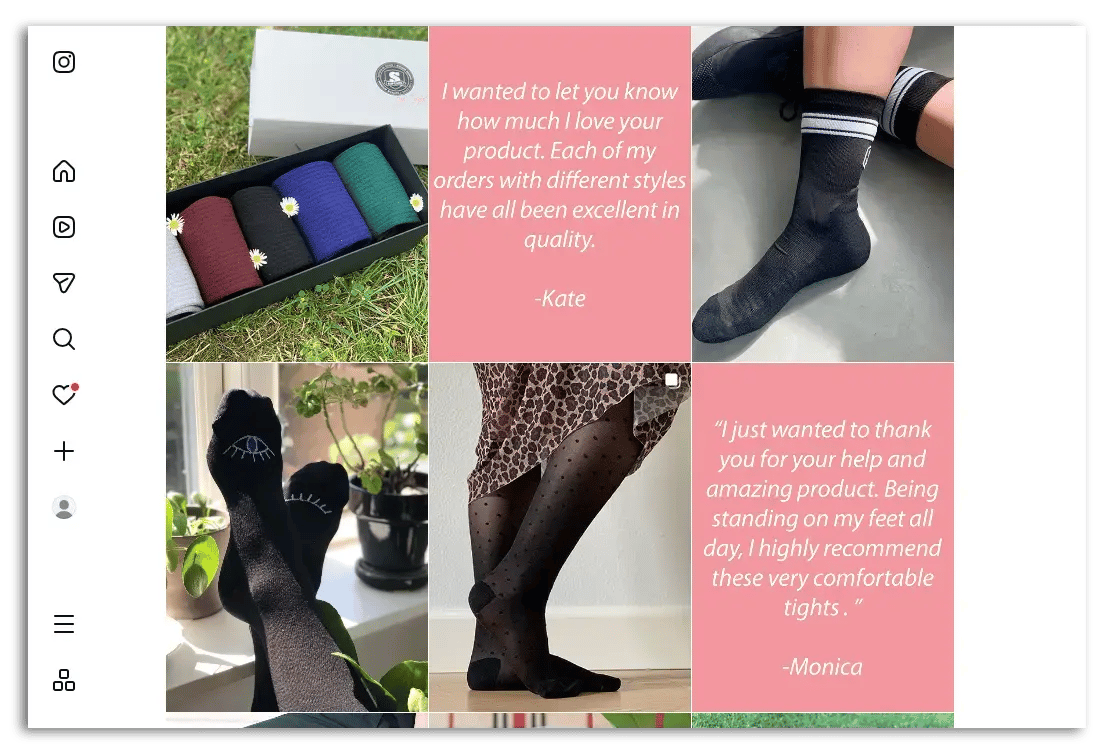
Source: Compression Sock Shop
When it comes to paid ads, let’s look at store ratings, which are typically found in Google Ads as well as product ratings, which are typically seen in Google Shopping ads.
To display your store ratings in your Google Ads (in the search results pages), you must meet the following requirements:

Source: Pak Cosmetics
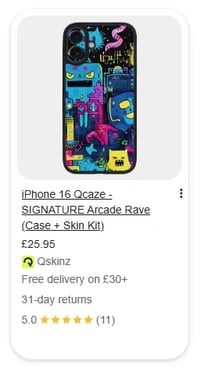 On the right side, you'll see an example from Qskinz of a Google Shopping listing that displays product ratings.
To display these product ratings in Google Shopping Ads (and free listings), the most important requirements you must meet are:
For an online store to display star ratings in the results provided by ChatGPT and other AI agents, simply "having reviews" isn't enough. They must be accessible, structured, and reliable. To achieve this:
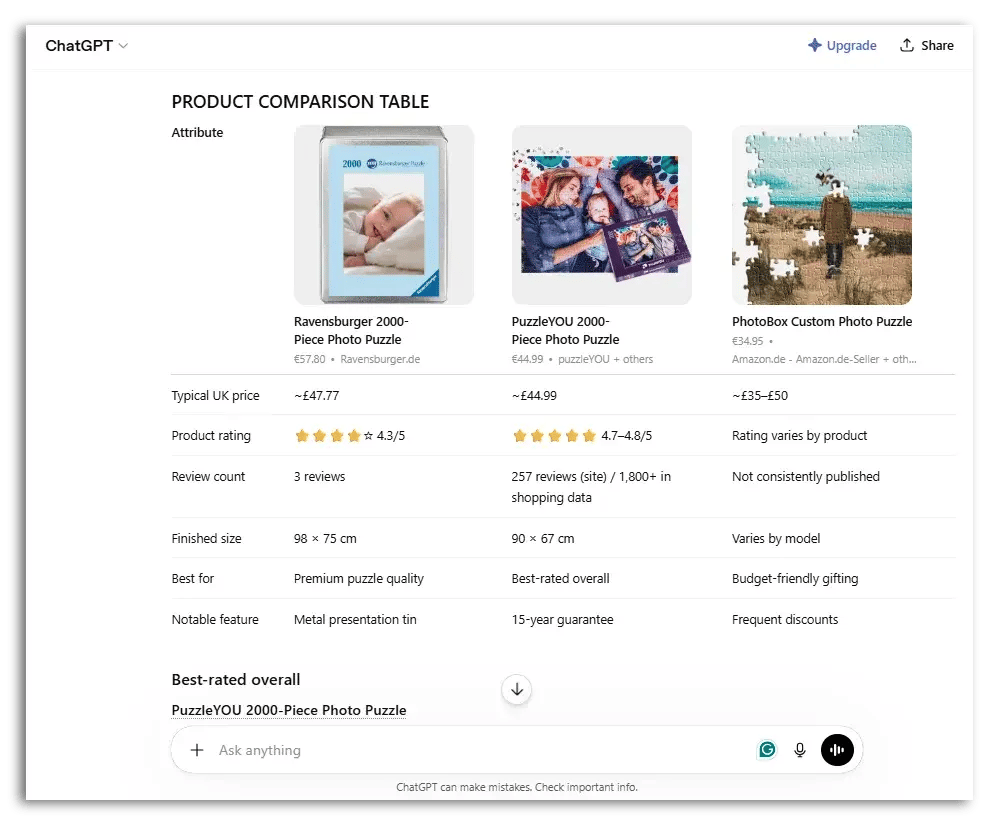
Important to understand: Similar to what happens in Google (rich snippets), in ChatGPT or other AIs, you don't directly control whether stars are shown; it depends on whether the model "trusts" the available data and is often based on multiple sources, not just your website. This is apparent in the second column in the example above from PuzzleYou.
Recommended reading:
Using AI in E-commerce Without Losing Trust
Regularly monitoring and analysing customer reviews is key to building a positive brand image and strengthening relationships with your customers.
Reviews are a valuable source of information about what works well in your business and what could be improved. Furthermore, you may often be unaware that some aspect of your store's operations could be causing problems for customers, which is why it's important to analyse your reviews regularly to identify what works well, so you can continue doing it, and to pinpoint potential areas for improvement.
Recommended reading:
How to Use Trusted Shops Dashboards + Analytics
If many reviews indicate that, for example, the size of your clothing is larger than expected, it's worth including this information on the product page. Are customers complaining about slow delivery? Consider using a different logistics company.
💡 Tools like Trusted Shops Sentiment Analysis help you analyse your reviews to get an overview of them, making it even easier to optimise your business.
In addition to monitoring your reviews, it's also very important to respond to all reviews, both positive and negative. This will help you build customer loyalty, increase the trust of potential customers, and create new sales opportunities.
Customer reviews and their proper use can have a significant impact on the success of your e-commerce business. They not only build trust and strengthen your brand image, but also contribute to a real increase in conversions and sales. Effectively managing your reviews allows you to stay ahead of the competition and encourage repeat business.
This article was originally published and translated from our Spanish blog: Recopilar y mostrar opiniones de forma eficaz para vender más
23/06/26



Paula works as the Content Manager for the Spanish market. Passionate about languages and e-commerce, she loves to write about news and trends in the world of online shopping. Paula is convinced that e-commerce will continue to revolutionise the global economy! In her personal life, she loves cooking and innovating in the kitchen!
Read more