



Collect and Display Reviews Effectively to Sell More
Learn best practices for collecting and displaying customer reviews to enhance your shop's visibility, boost conversions, and build trust with shoppers.
Storytelling is a very important element in a brand’s marketing strategy. When shopping online, we can sometimes miss the human element of the brand experience. That is where storytelling comes in. When it’s well-implemented into your online shop, you sell a lifestyle, a narrative, and an emotional connection to your customers.
Table of contents:
Storytelling in e‑commerce is the use of narrative techniques, such as characters, context, and emotion, to present your brand and products in a way that resonates with your audience.
Although it’s important to list features and benefits, storytelling takes your marketing strategy a step further by giving your products more emotional context to your target customer.
At its core, e‑commerce storytelling connects three elements:
Effective storytelling in e‑commerce builds trust through emotional engagement. which helps shoppers feel more confident in their purchase decisions.
Storytelling is a human tradition that goes back centuries. You could say that we are naturally drawn to stories because they make information easier to process, more engaging, and more memorable.
In e‑commerce, storytelling allows customers to imagine how a product fits into their lives, turning a typical browsing experience into something much more immersive. Since purchase decisions are often emotion-driven, this connection can significantly influence conversions.
Storytelling shifts the focus from what a product is to what it does for the customer. Instead of just listing features, it highlights real-life value and context.
Recommended reading:
Branding Guide: 6 Steps to Improve Your Brand Image
Successful storytelling in e‑commerce isn’t about being overly creative. It’s about being clear, relevant, and authentic. The most effective stories share a few key elements that help brands connect with their audience and drive engagement.
Every strong story starts with a clear narrative. For e‑commerce businesses, this means defining your brand’s purpose, values, and voice. Why does your company exist? What do you stand for?
A consistent narrative across your website, emails, and social channels helps customers recognise and remember your brand.
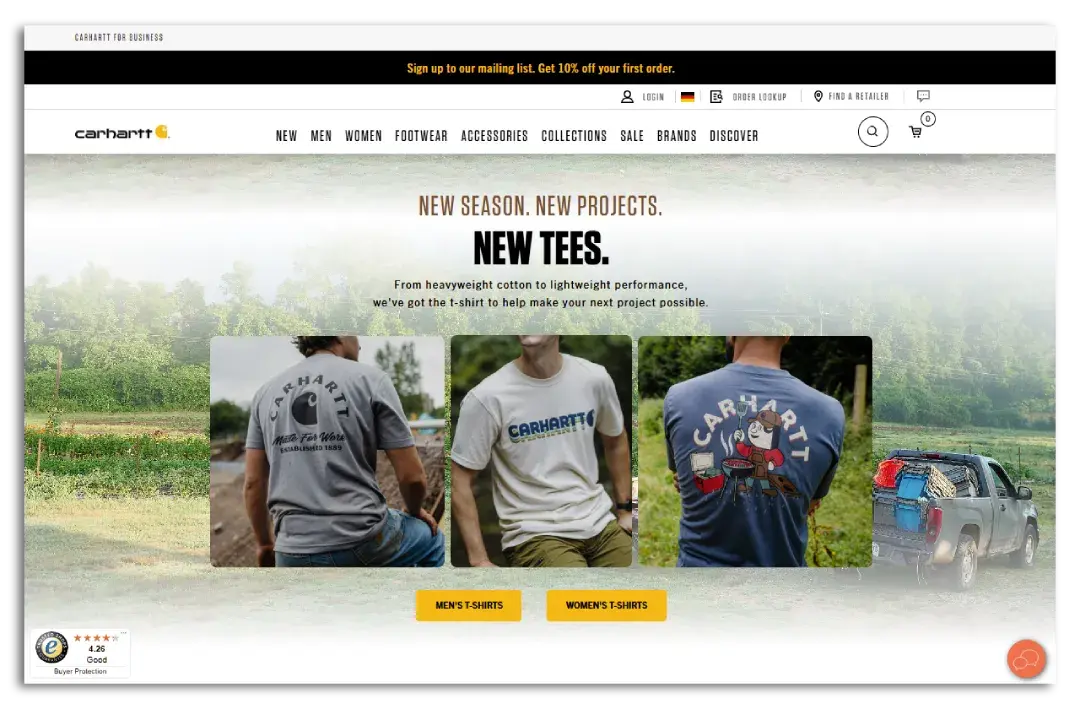
Carhartt makes high-quality and stylish clothing for working outdoors.
Storytelling only works if it resonates with your audience. That’s why understanding your target audience is essential. Identify their needs, challenges, and motivations, and shape your stories around them. The more specific and relevant your message, the more likely it is to engage and convert them.
Recommended reading:
Creating a Buyer Persona to Better Understand Your Customers
Highly polished marketing can feel distant or insincere. Customers respond better to authenticity, which includes real stories about your founders, team, or customers.
Being transparent and human in your communication builds credibility and makes your brand more relatable.
Emotions play a key role in decision-making. Effective storytelling taps into feelings like joy, comfort, security, or belonging. By linking these emotions to your products, you create a stronger connection and make your offering more meaningful beyond its functional benefits.

Storytelling can be done all over your online shop. It shouldn’t be limited to one “section” of your website. In fact, consider it to be part of the entire customer journey. Every touchpoint and interaction is an opportunity to reinforce your brand narrative.

Shutterstock/Romolo Tavani
Your homepage is often where the first impression takes place, making it a key place to communicate your story. Use clear messaging and visuals to express who you are, what you offer, and why it matters.
The “About Us” page is where you can go deeper, sharing your mission, values, and the people behind the brand to build a personal connection with your audience.
Product pages are where storytelling directly impacts conversions. Instead of focusing only on specifications, describe how the product fits into real-life situations. Help customers visualise its benefits and use cases.
Integrating product reviews adds another layer of trust and authenticity by showing how others experience the product in their own stories.
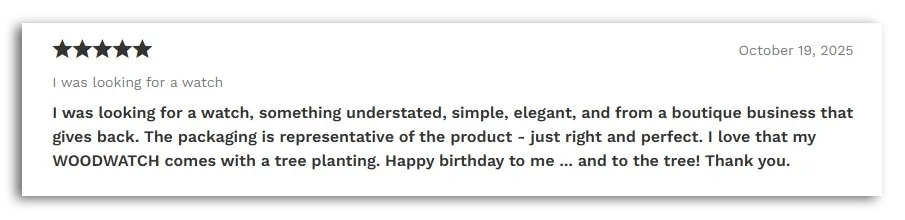
This customer review from WoodWatch tells a story about a birthday, a search for elegance, and sustainability in just three lines of text.
Emails are a powerful channel for narrative-driven communication.
Rather than sending purely promotional messages, use storytelling to guide customers through journeys, whether it’s a product discovery story, a behind-the-scenes look, or a customer success story. Mix things up to keep your brand engaging over time.

Social media platforms are ideal for short, engaging stories. Share behind-the-scenes content, user-generated posts, or quick customer highlights.
These formats feel more authentic and help humanise your brand, making it easier for customers to connect and engage with your brand.
Turning storytelling into action doesn’t require a full rebranding effort. Small, practical techniques can already make a big difference in how your audience engages with your content.
A proven framework is the “hero’s journey,” where the customer is the main character and your product plays a supporting role. Start with a challenge or need, introduce your product as the solution, and show the positive outcome. This structure makes your message more relatable and outcome-focused.
Alternatively, you use the “origin story” as the basis for the story. In this case, you (i.e. the founder) are the person with the original issue, and you explain why you created your product to begin with.

The Chesterfield Brand has a video on its About Us page that explains its origin, mission, and inspirations.
Customer experiences are one of the most powerful storytelling tools. Testimonials, reviews, or short case studies show how real people use your products and what results they achieve. These stories feel authentic and help potential buyers see themselves in similar situations.
Trusted Shops does this with multiple customer stories. For example, you can read about how Solarplexius began with our trust solutions in the German market and then spread out to multiple other European markets.

Images and videos can often communicate a story faster than text. Show your product in action, highlight real-life scenarios, or give a behind-the-scenes look at your brand. Visual content makes your story more engaging and easier to understand.
Warby Parker does this by showing users how their “Advisor” feature works: a face scan leads to personal recommendations for new eyeglasses.
Even small text elements like headlines, product descriptions, or call-to-action buttons can reinforce your story. A consistent tone and a touch of personality in these details help create a memorable brand experience.
By applying these techniques, you can make storytelling a natural part of your e‑commerce strategy.
In e‑commerce, trust is a key driver of conversion and storytelling plays an important role in establishing it. A well-told story reduces uncertainty and helps customers feel more confident in their purchase decisions.
 Customer reviews, ratings, and testimonials are essentially stories from real buyers. They show how products perform in everyday situations and provide insights that go beyond brand messaging.
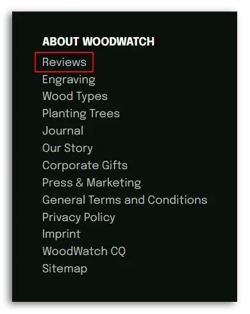
Instead of telling customers why your product is valuable, these voices demonstrate it through lived experiences. This makes your overall narrative more credible and relatable. You can even dedicate a page to your customer reviews, as WoodWatch has done in their footer.
Honest and transparent storytelling builds long-term trust. This includes being open about your processes, pricing, shipping, and return policies. Addressing potential concerns upfront shows that you have nothing to hide and respect your customers’ need for clarity.
Trust signals can further support your story. Elements like verified reviews, clear guarantees, or buyer protection communicate reliability without disrupting the user experience. When these signals align with your narrative, they reinforce the message that your brand is dependable.
By combining authentic stories with transparent communication and social proof, you create a shopping experience that feels both engaging and trustworthy, making it easier for customers to take the final step and convert.
Recommended reading:
Trust Marketing: Building Confidence With Your Target Audience
Let’s look at a few more specific examples and discuss why their storytelling strategies are so effective.
Millésima does a great job at storytelling throughout its website. It begins by setting the mood with great product images on its homepage. These images teleport you to beautiful locations throughout southern Europe. You can almost feel the sun and taste the wine.
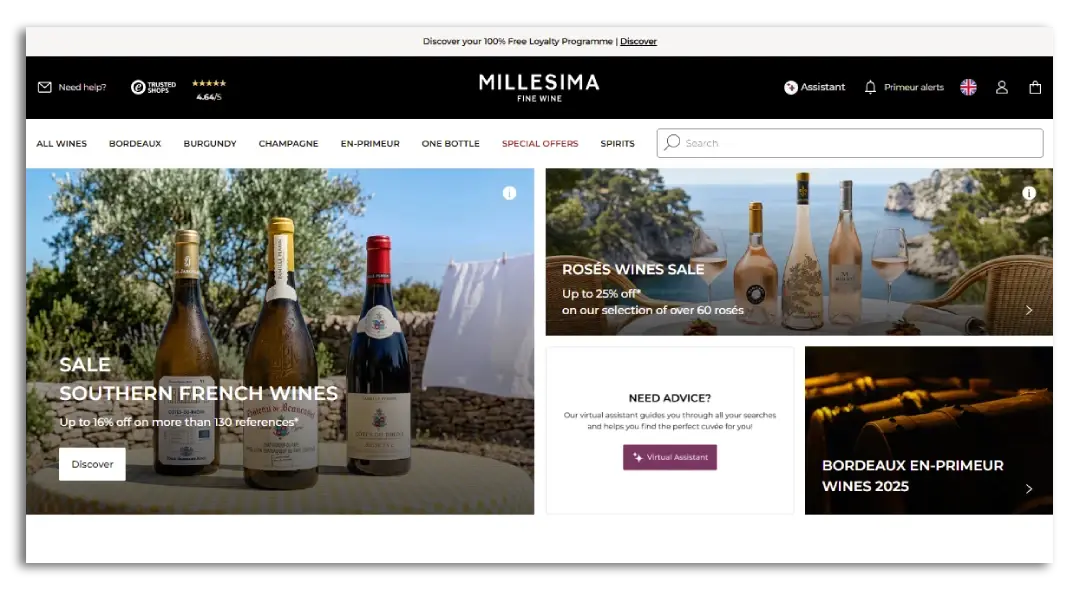
If you scroll down their homepage, you’ll even see a small banner displaying their collected customer reviews.

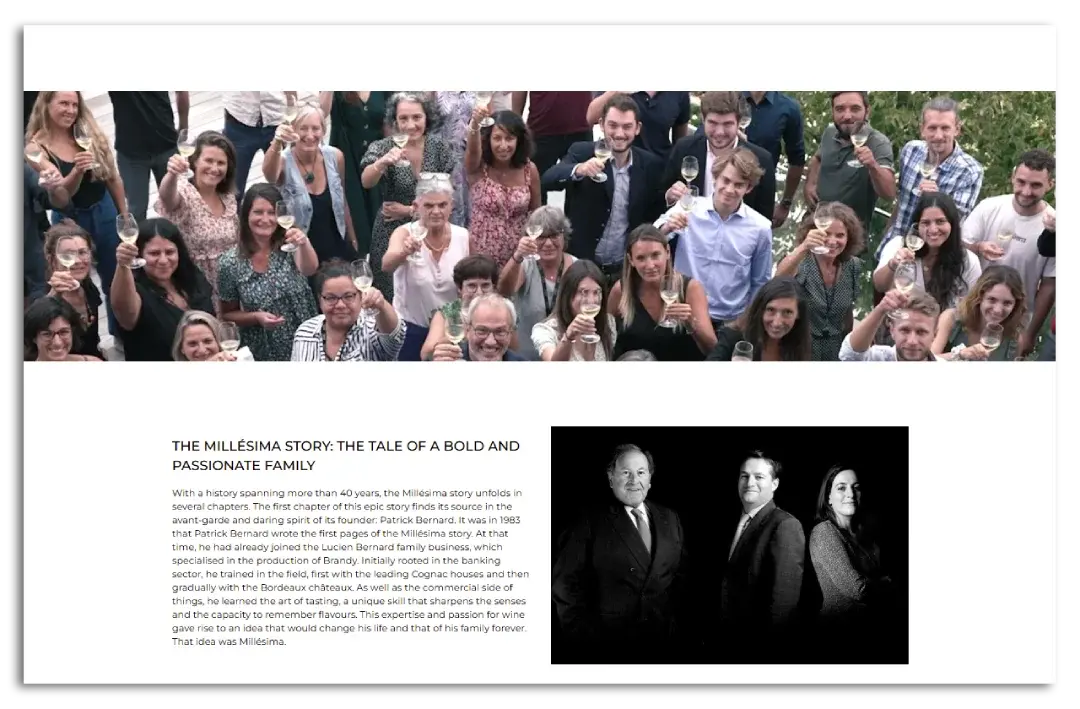
On their About Us page, you can delve into the family history of the company and learn about the personalised advice you can receive.
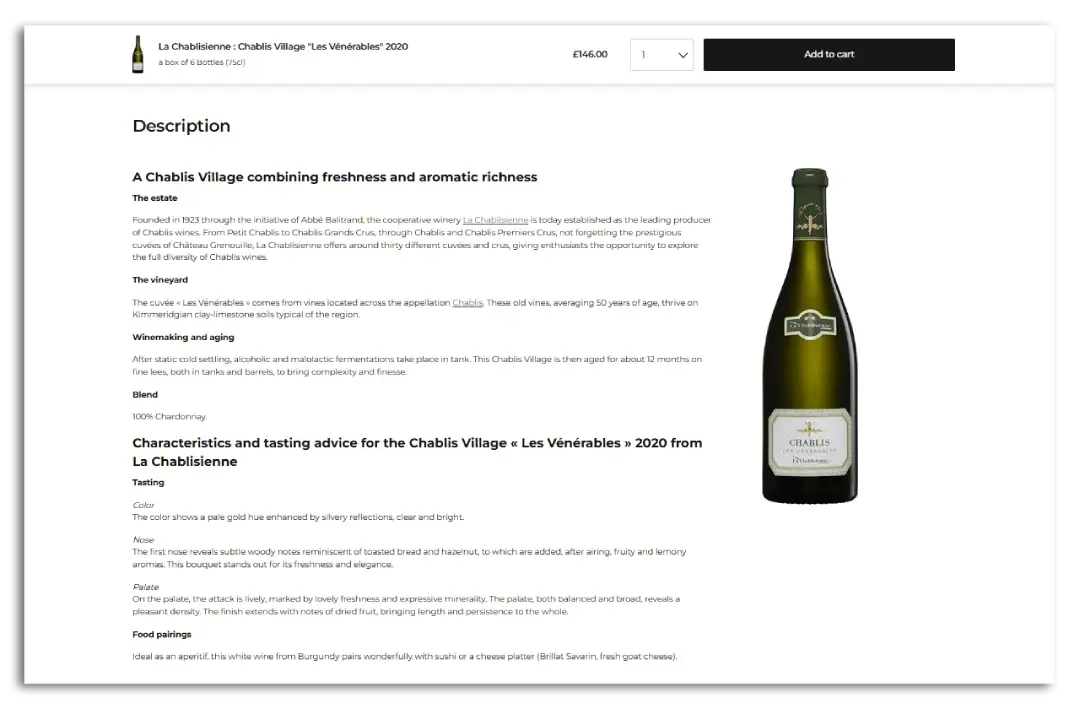
Millésima even sets the mood on their product pages. With specific information about the estate, the vineyard, the winemaking and ageing process, the blend, tasting and even food pairings, you’ll feel like you’re sitting at the table with the sommelier.
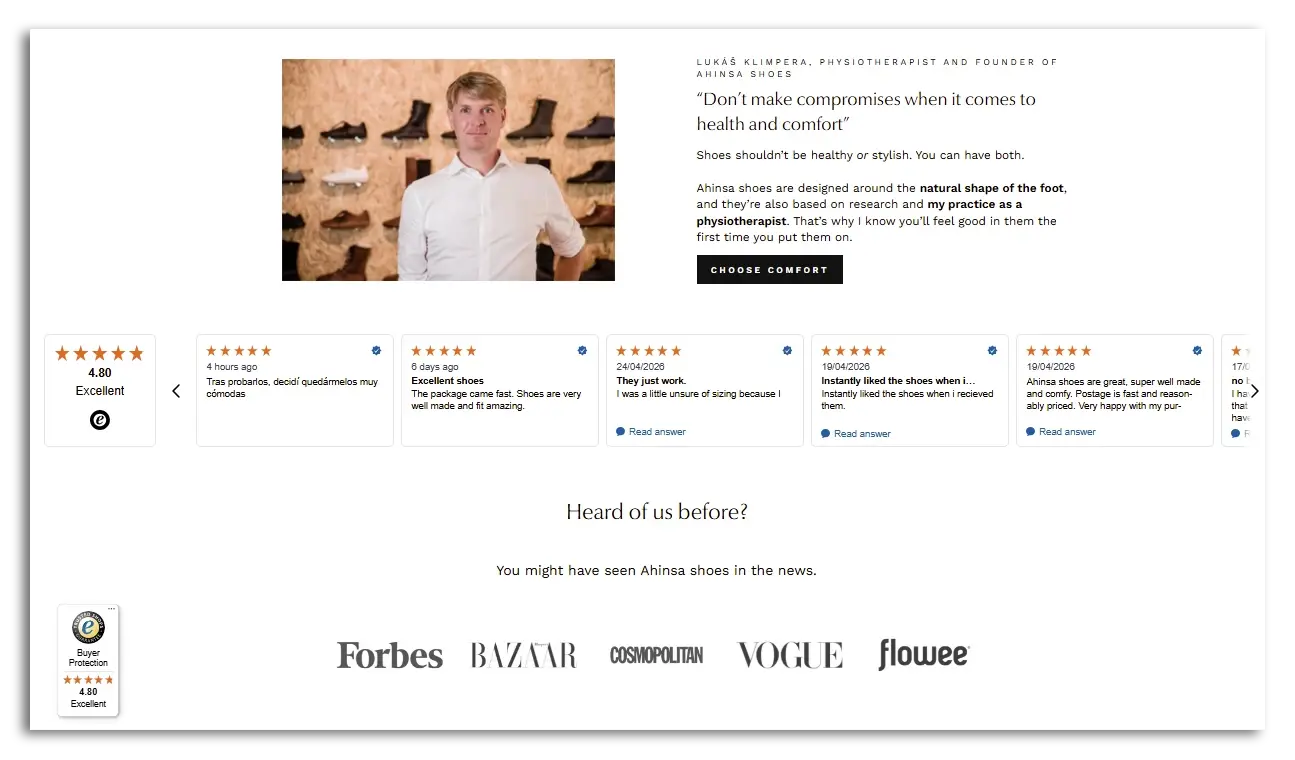
Ahinsa Shoes tells you right away that they are a brand of shoes created by physiotherapists. They are barefoot shoes for healthy walking and are also 100% vegan and ethical.
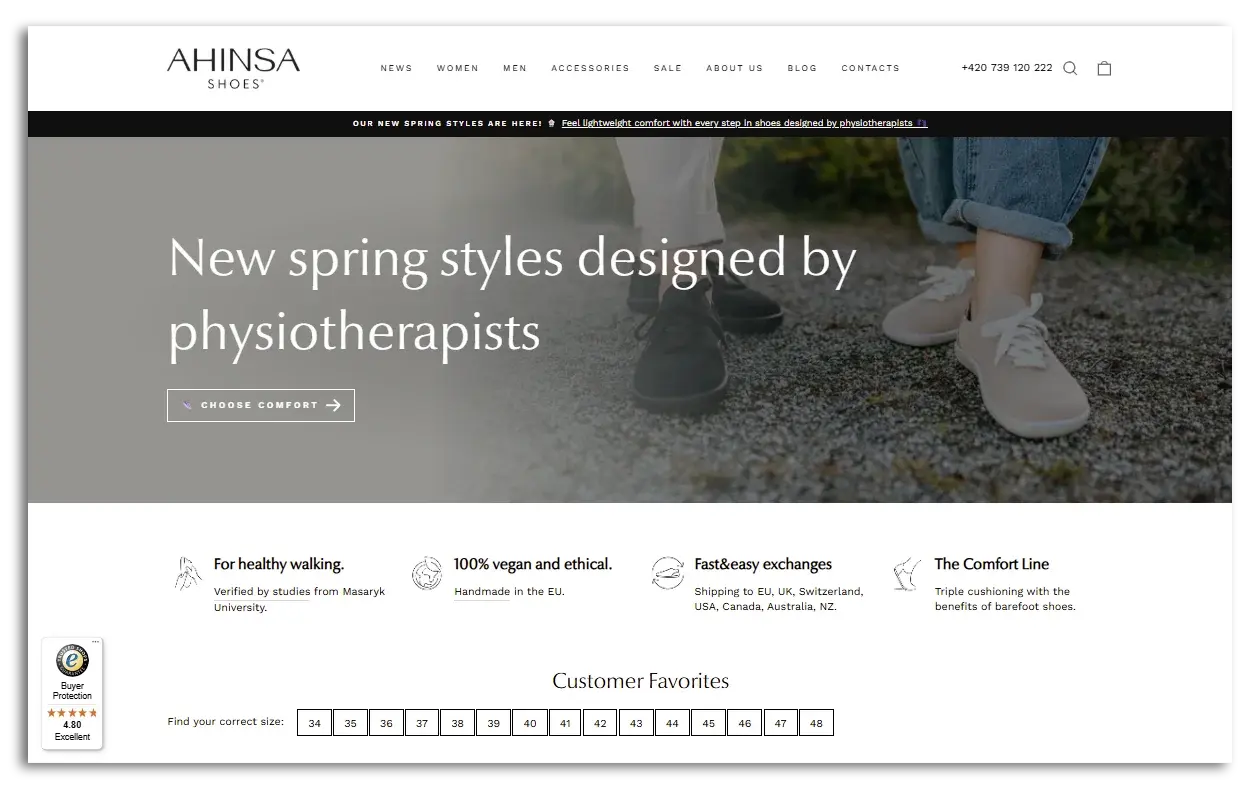
When you scroll down the page, you’ll meet the founder. He confirms the main concept behind his brand: a shoe that is healthy, comfortable, and stylish. The customer reviews and brand references help build credibility as well. The Trustbadge in the corner also remains active on every page of the site to reassure users of the company’s stellar store rating.
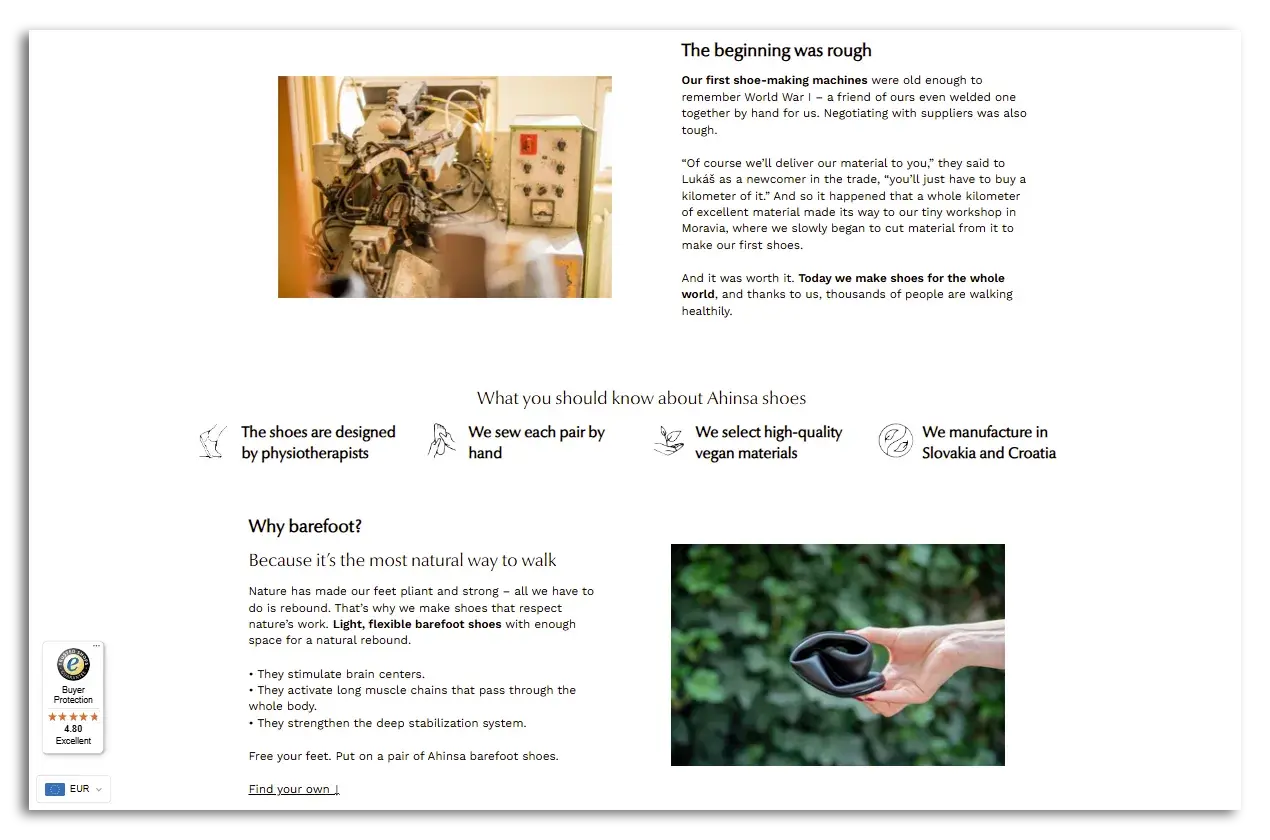
The “Our story” page reaffirms the origin story of the brand. It begins with gratitude for the other important figures in the company, continues to the early stages of the business, and reminds users why barefoot shoes are so healthy. Last but not least, the shoes are ethically made “with love in Europe”.
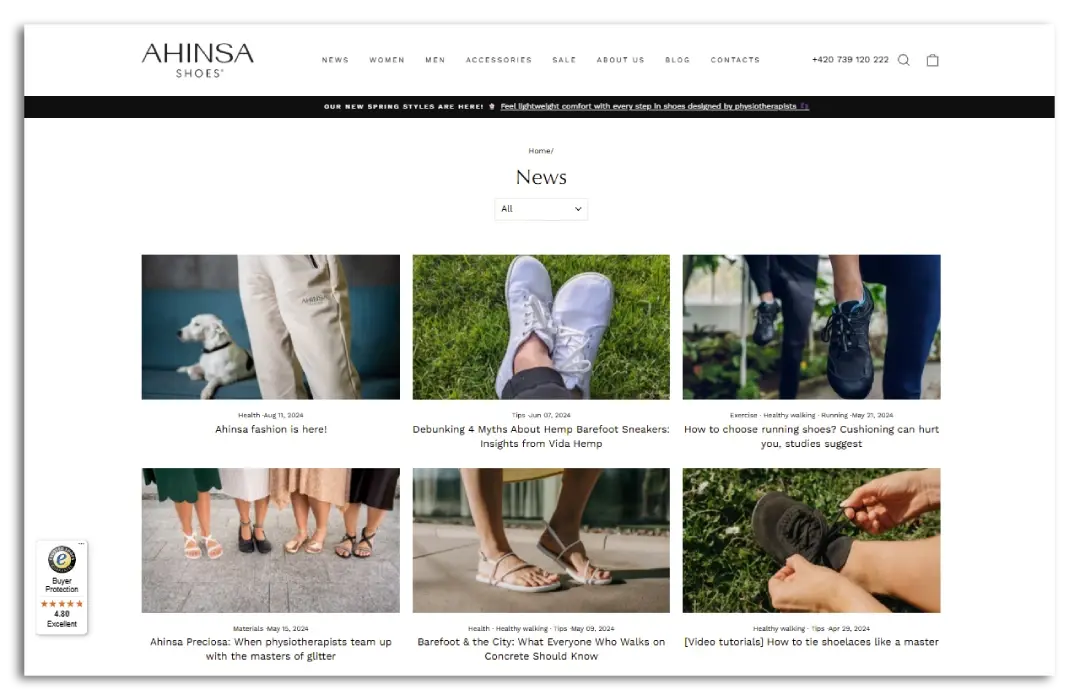
The brand also has a blog page linked on the homepage to give users guidance and establish its expertise in the field.
To understand whether your storytelling resonates, you need to track the right metrics. While stories can feel abstract or intangible, their impact on performance is somewhat measurable.
Start with engagement metrics such as time on page, scroll depth, and bounce rate. If users spend more time interacting with your content, it’s a strong sign your story is capturing attention.
Next, look at conversion-related KPIs, including add-to-cart rates and completed purchases. Effective storytelling should help move customers closer to a decision by making your products more relevant and appealing.
It’s also important to test and optimise your efforts. Use A/B testing to compare different narratives, headlines, images, or product descriptions. Small changes in tone or framing can lead to noticeable differences in performance.
Finally, don’t overlook customer feedback. Reviews and testimonials can reveal how your story is perceived and whether it aligns with real experiences. They not only validate your messaging but also provide inspiration for future storytelling.

By combining data analysis with continuous testing and feedback, you can refine your storytelling approach and ensure it delivers real business results.
Recommended reading:
How to Use Trusted Shops Dashboards + Analytics
Storytelling helps e‑commerce brands stand out by creating emotional connections and making products more meaningful. By staying authentic and customer-focused, even small narrative changes can boost engagement and boost customer loyalty.
Combined with trust signals like reviews and transparent policies, storytelling reduces hesitation and builds confidence. Start simple, test what works, and refine your story over time.
19/05/26